¿Nuevo en la castidad? ¡Consigue nuestra Caja de Descubrimiento Misteriosa!

0

Tu carrito esta vacío


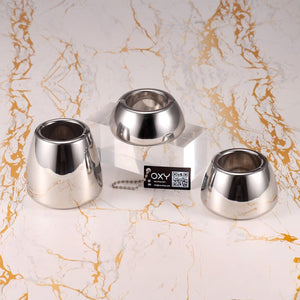
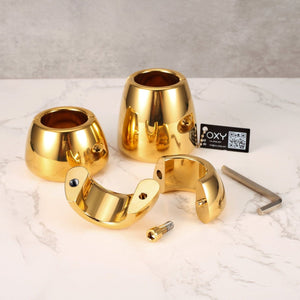
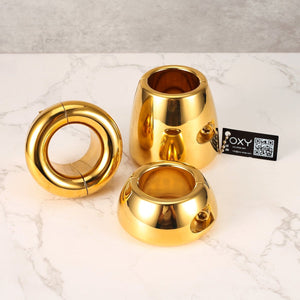
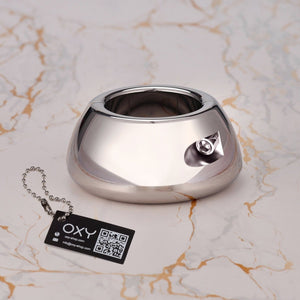
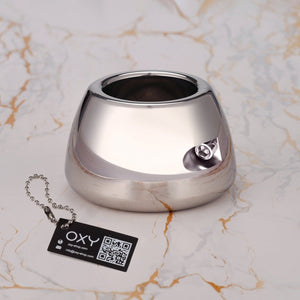
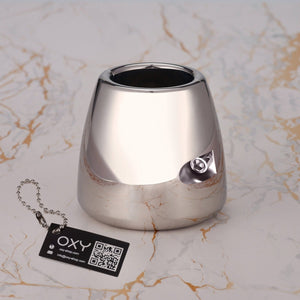
Ergonomic Bullet Ball Stretchers (Upgrated version) 400 to 800GR

Elija las variantes si hay


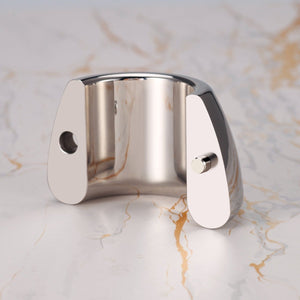
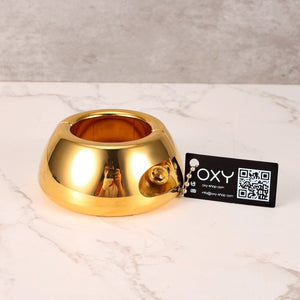
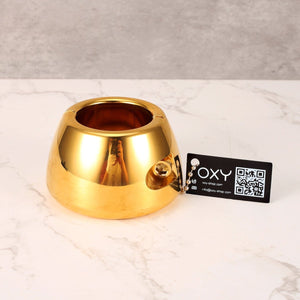
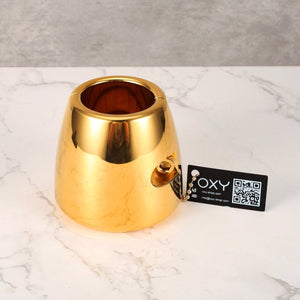
Stainless Steel Ball Stretcher – Secure Fit, No Pinch, Deeper Hang


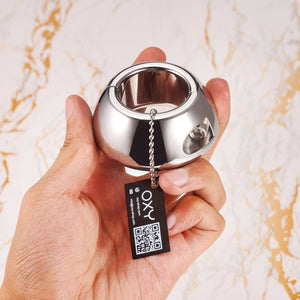
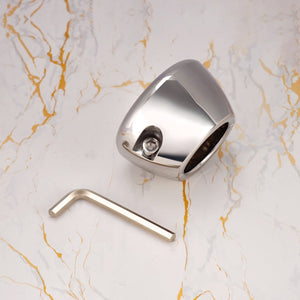
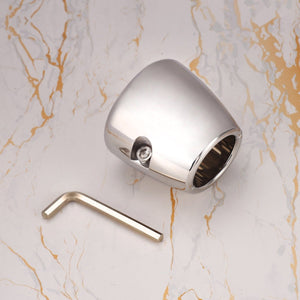
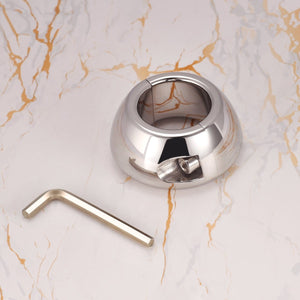
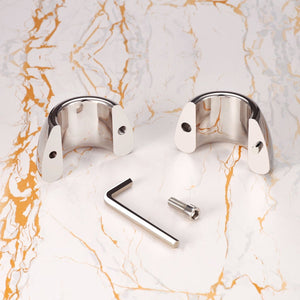
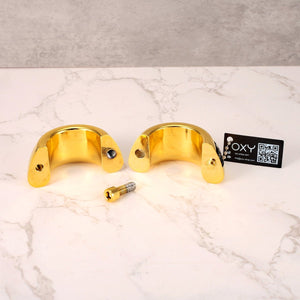
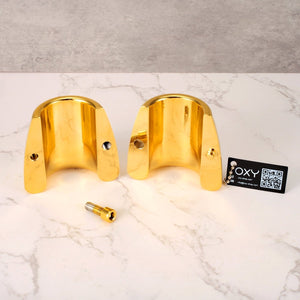
Discover the next generation of ball stretchers – designed for comfort, security, and an irresistibly heavy swing. Unlike traditional stretchers that can pinch or twist, this new design locks your balls in place smoothly, with one pin on one side and a single screw on the other. That means less hassle, more play, and an even heavier, low-hanging sack to show off.

Why you’ll love it:


  • No pinching, no slipping – engineered to keep your balls secure without unwanted pressure.

  • Easy to wear – only one screw to tighten with the included key. Quick on, quick off.

  • Low-hang heaven – enjoy the look and feel of your balls swinging lower, stretching your sack longer over time.

  • Solid stainless steel – polished to perfection, smooth against your skin, and built for serious durability.

Sizes available:

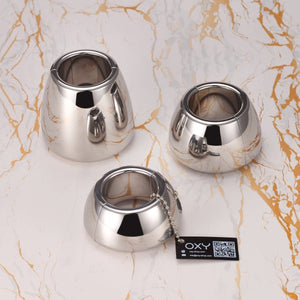
Choose your perfect stretch – or collect them all for progressive training.

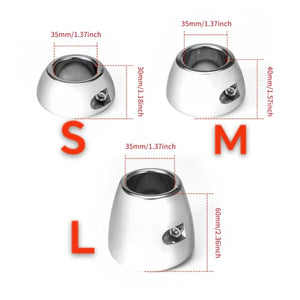
  • Small: 35mm (1.37”) inner diameter × 30mm (1.18”) height
    Weight: 420GR 

  • Medium: 35mm (1.37”) inner diameter × 40mm (1.57”) height
    Weight: 550GR 

  • Large: 35mm (1.37”) inner diameter × 60mm (2.36”) height
    Weight: 810GR 

Whether you want a subtle tug or a deep, heavy pull, these stretchers give you that erotic, weighted sensation all day long. Perfect for submissive training, CBT play, or simply indulging in the thrill of a low-hanging, swollen package.


How to Measure for the Right Fit:

Getting the perfect size is key to comfort and long-term stretching.

  1. Measure your ball sack when relaxed and slightly warm (a hot shower helps).

  2. Use a soft measuring tape or string to find thecircumference above your balls, right at the base of your sack.

    • Example: 120mm circumference ÷ 3.14 ≈ 38mm inner diameter → the Medium stretcher fits best.

      Divide that number by 3.14 (π) to find your ideal inner diameter.


  3. Beginners usually start with the shorter height (30–40mm) and progress to taller/heavier models (60mm) as the sack stretches over time.

🔗 Secure your balls. 🔗 Stretch your limits. 🔗 Feel the difference.


Material:Surgical grade stainless steel 316 L / No chrome plating / No nickel plating; Hand-polished.

Weight:300 gr / 0.66 Lb

Oxy Shop Warranty


➡️ READ RELATED ARTICLE:

✔️ "6 Reasons to try Ball Stretching"

✔️"Helpful tips for Ball Stretching"

✔️ "The art of Ball Stretching"

✔️ "How to stop testicular retraction"

Frequently Asked Questions

Yes, ball stretchers can work for the purposes they are designed for: adding downward weight, creating a fuller hanging look, and gradually encouraging the scrotum to hang lower over time. The effect depends on fit, weight, wear time, and the user’s anatomy. Some people want the immediate sensation of tugging and swinging, while others use them for slow, progressive stretching as part of submissive training or CBT play. This ergonomic stainless steel model is built for that kind of controlled use. It has a 35 mm inner diameter and comes in different heights and weights, from about 420 g to 810 g, so users can choose a lighter or heavier pull. The design also reduces pinching compared with many split-ring styles, which matters because comfort affects whether a stretcher is wearable for longer sessions. They are best for users who want a secure, heavy metal stretcher rather than a soft silicone option. The tradeoff is that heavier steel gives stronger sensation but requires more caution, especially for beginners. Results are usually gradual, not instant.
There is no single safe wear time for everyone, but beginners should start with short sessions and build up slowly. For a heavy stainless steel stretcher, many people begin with 10 to 30 minutes, then reassess comfort, circulation, skin color, numbness, and temperature before wearing it longer. If there is pain, coldness, discoloration, or loss of sensation, it should come off immediately. This matters even more with a weighted model like this one, since the available versions range from about 420 g to 810 g. Heavier stretchers create a stronger downward pull, which can feel great but also increases the need for gradual conditioning. The smoother ergonomic design helps reduce pinching, but it does not remove the need for careful monitoring. This type of ball stretcher is best for users who want a secure metal fit and understand progressive training. It is not a good choice for careless all-day wear right away. Warm skin, lubrication during fitting, and regular checks make a big difference in safe, comfortable use.
Ball stretchers can lead to longer-term loosening or a lower-hanging scrotal appearance if used regularly over time, but permanent changes are not guaranteed and vary a lot by body type, consistency, and weight used. Some users only experience a temporary stretched look that fades after removal, while others see more lasting changes with gradual training. This product is designed for progressive use because it offers the same 35 mm inner diameter in multiple heights and weights. That makes it easier to start with a shorter, lighter model and move to a taller or heavier stretcher as the sack adapts. Stainless steel also gives a steady, non-compressing pull, which is different from soft stretchers that flex more. People who benefit most are users specifically seeking a weighted tug, visual hang, and controlled long-term stretching. The tradeoff is that chasing faster results by using too much weight too soon can increase discomfort or injury risk. Slow progression, good fit, and stopping at the first sign of circulation issues are more important than aiming for permanent change quickly.
For beginners, the best ball stretcher is usually one that balances secure fit, manageable weight, and low risk of pinching. A shorter stretcher with a moderate inner diameter is often easier to tolerate than a very tall or very heavy model. Stainless steel appeals to users who want a firm, weighted sensation, but beginners should avoid jumping straight to the heaviest options. This ergonomic model is beginner-friendly in some important ways. Its closure uses one pin on one side and one screw on the other, which simplifies fitting and helps reduce twisting or pinching. The 35 mm inner diameter suits users who have measured close to that size, and the shorter 30 to 40 mm height versions are the better starting point for most new users. Those versions provide noticeable tug without the intense pull of the 60 mm, 810 g option. It is best for beginners who want a real weighted metal stretcher rather than a flexible silicone ring. The main limitation is that the fit must be correct, and the weight can still feel intense if someone is completely new to ball stretching.
The right size starts with measuring the top of your scrotum at the base, above the testicles, when relaxed and warm. Use a soft tape or string to measure the circumference, then divide that number by 3.14 to estimate the inner diameter you need. For example, a 120 mm circumference gives about 38 mm, which is close to a 35 mm inner diameter fit depending on how snug you want it. For this product, the inner diameter is 35 mm across the range, while the height and weight change. That means sizing is mostly about whether 35 mm fits your body, then choosing how much stretch you want. Shorter heights around 30 to 40 mm are usually better for beginners because they add less leverage and weight. Taller options like 60 mm create a stronger low-hanging pull. This approach is best for buyers comparing fit, not just looking at weight. A stretcher that is too tight can be unsafe, while one that is too loose may slip. Correct diameter matters first, then height and weight come second.
A weighted stainless steel ball stretcher feels very different from silicone or leather because it provides a fixed shape, consistent pressure, and real downward mass. Silicone is softer and more forgiving, while leather is adjustable and often lighter. Stainless steel is usually chosen by users who want a stronger tug, more noticeable swing, and a polished, body-safe surface that does not compress as much during wear. This model is made from surgical grade 316L stainless steel with no chrome or nickel plating, and it is hand-polished for a smooth finish. Its ergonomic locking design also aims to reduce pinching compared with some traditional metal stretchers. That makes it especially appealing to users who want the intensity of steel without as much fiddling during setup. The tradeoff is that metal is less forgiving if the size or weight is wrong. It is best for people who want structured stretch training, visual hang, or heavier CBT sensation. Those wanting a softer introduction or highly flexible fit may prefer a non-metal alternative first.
Yes, this style of ball stretcher is well suited to submissive training and CBT-focused play because it combines physical weight, visible control, and a secure locked-on feel. The sensation is not just pressure around the scrotum. It also creates a steady downward tug that can reinforce posture, movement awareness, and the psychological aspect of being restrained or under instruction. This product is especially relevant for that use because it is made from heavy 316L stainless steel and comes in multiple lengths and weights, from roughly 420 g up to 810 g. The heavier options create more pronounced swing and pull, while the ergonomic one-pin, one-screw closure helps keep the fit stable. That makes it easier to use for structured training sessions where reliability matters. It is best for users who want discipline-oriented wear rather than only decorative bondage gear. The limitation is that CBT play always requires communication, slow progression, and close attention to safety signs like numbness or discoloration. Heavier gear can intensify the experience quickly, so it is better for informed, consensual use than impulsive experimentation.
This design is more user-friendly than many traditional split-ring ball stretchers because it uses one pin on one side and a single screw on the other, rather than multiple fasteners or alignment points. In practical terms, that can make the stretcher easier to put on, easier to remove, and less likely to pinch skin during setup if used carefully. For many shoppers, security is not just about whether the stretcher stays on. It is also about whether it holds the balls in place smoothly without twisting. This ergonomic version is designed specifically to reduce that common issue. The polished stainless steel surface also helps with comfort, especially when paired with a little lubricant during fitting. It is best for users who want the solid feel of a metal stretcher but do not want a fiddly closure. The main tradeoff is that secure metal hardware still needs proper sizing and careful tightening. If the inner diameter is wrong, even a better closure design will not fix comfort or circulation problems.
You can wear a heavy ball stretcher during normal movement if the fit is correct and your body is used to it, but heavy models are generally better approached as progressive wear rather than immediate all-day gear. Walking, sitting, and changing posture all affect how the weight pulls, so a stretcher that feels fine standing still may feel much more intense during daily activity. This matters with this product because even the smaller version is substantial, and the larger versions become quite heavy. The benefit is a pronounced low-hanging swing and strong awareness of the device throughout the day. For some users, that is part of the appeal for discipline or arousal. For others, it can become tiring quickly. This type of stretcher is best for people who specifically want a weighted metal feel and are willing to build tolerance gradually. A limitation is that heavy steel is less forgiving for long casual wear than softer materials. Starting with shorter sessions and lighter heights is the smartest way to find out whether everyday movement is realistic for your body.
A stainless steel ball stretcher is one of the easier BDSM toys to maintain. Wash it before and after use with warm water and mild soap or a toy-safe cleaner, then dry it completely. Because this model is made from surgical grade 316L stainless steel with no chrome or nickel plating, it is durable, non-porous, and less likely to trap residue than porous materials. Pay extra attention to the closure area, including the screw and pin sections, since body oils or lubricant can collect there. If you use a water-based lubricant during fitting, cleaning is usually straightforward. After drying, store it somewhere clean and dry to preserve the hand-polished finish and keep the hardware working smoothly. This low-maintenance care routine is a big advantage for users who want a long-lasting weighted stretcher. The main limitation is that heavy metal can pick up scratches if stored loosely with other toys or hardware. Regular inspection is also smart, especially before wear, so you can confirm the screw and locking parts are clean, smooth, and functioning properly.