

다섯 손가락 잠금장치 — 손을 묶고 나머지를 차지하세요.

있는 경우 변형을 선택하십시오.

통제권을 빼앗는 데 손목에 밧줄을 감을 필요는 없습니다. 때로는 손 자체만으로 충분합니다.

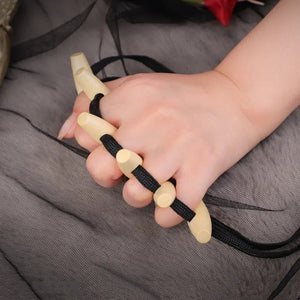
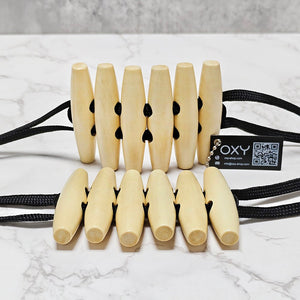
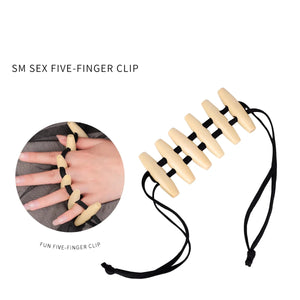
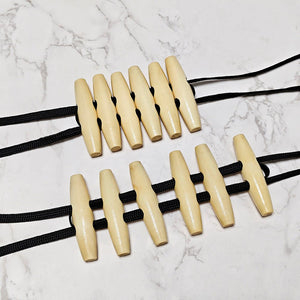
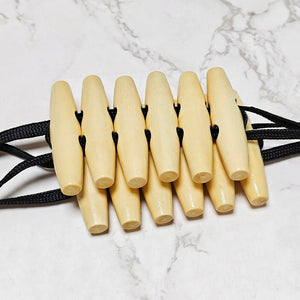
파이브 핑거 락은 매끄러운 목재 막대를 손가락 사이에 끼우고, 짜임 끈을 따라 위아래로 번갈아 배치해 한 번 당겨 단단히 조입니다. 고정하면 손이 제자리에 묶입니다. 손가락은 벌어진 채 서로 분리되어, 놓인 위치 그대로 고정됩니다. 주먹을 쥘 수도, 손아귀로 저항할 수도 없습니다. 나무와 팽팽한 끈, 그리고 이제 다른 사람의 뜻에 따르는 손만 남습니다.

가방에 쏙 들어갈 만큼 작고, 어디서든 사용할 수 있을 만큼 조용하며, “가만히 있어”라는 말을 선택이 아닌 의무로 만들 만큼 정교합니다. 손을 방해되지 않게 고정하거나, 그 자체로 가벼운 훈육에 활용하거나, 손가락 하나씩 천천히 조이며 색다른 애타게 하기로 즐겨 보세요. 가장 단순하면서도 의도적인 형태로 구현한 구속 도구입니다.

작은 도구. 완벽한 통제.


✨ 특별한 점

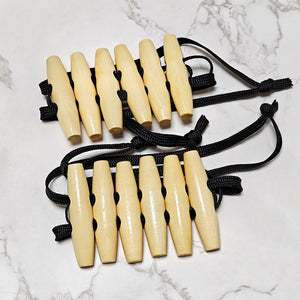
  • 목재 막대를 번갈아 배치한 구조가 각 손가락을 고정된 간격으로 분리해 잡아 줍니다. 끈만 사용하는 것보다 훨씬 강하게 움직임을 제한합니다.
  • 끈을 한 번 당겨 조이는 방식으로 몇 초 만에 느슨한 상태에서 단단히 고정할 수 있으며, 조임 정도도 완벽하게 조절할 수 있습니다.
  • 작고 휴대하기 편합니다. 설치나 준비 과정 없이 나무와 끈만 납작하게 접어 휴대할 수 있습니다.
  • 매끄럽고 가시가 없는 마감의 천연 목재로 피부에 거칠지 않으면서 단단한 감각을 선사합니다.
  • 조이는 정도와 착용 시간에 따라 가벼운 훈육이나 서서히 고조되는 애타게 하기에 활용할 수 있습니다.

📏 크기 / 치수

  • 개별 목재 막대
  • 끈: 한 번 당겨 조이는 방식으로 조절 가능
  • 조절 가능한 끈으로 대부분의 성인 손에 맞게 조절 가능

🧠 사용 경험

손에 끈을 꿰어 팽팽히 당기고 나면 찾아오는 특별한 정적이 있습니다. 손가락은 벌어진 채 무언가를 잡을 수 없고, 그저 기다릴 수밖에 없습니다. 파이브 핑거 락은 존재감을 드러내기 위해 온몸을 구속할 필요가 없습니다. 한 손과 몇 초면 나머지는 알아서 느끼게 됩니다.

자주 묻는 질문

Hand restraint devices generally fall into a few main categories: wrist cuffs, rope restraints, mitts or enclosed hand restraints, spreader-style restraints, and finger-based restraint tools. Wrist cuffs focus on restricting overall arm movement. Rope offers flexible positioning but usually takes more setup and skill. Mitts block hand use by enclosing the hand, while spreaders force the hand or limbs into a set position. The Five-Finger Lock fits into the finger restraint category. Instead of binding the wrist, it threads smooth wooden dowels between the fingers and tightens with a single-pull cord. That separates the fingers and prevents gripping, clenching, or making a fist. It is best for people who want precise hand control without full-body rigging. This type works especially well for BDSM scenes centered on stillness, teasing, discipline, or removing fine motor control. The tradeoff is that it controls the hand itself rather than immobilizing the entire arm, so it is often best used alone for focused play or paired with other bondage gear for fuller restraint.
Good alternatives to wrist restraints include finger restraints, bondage mitts, arm binders, handcuff-style cuffs with spreaders, and positional bondage setups. The best option depends on whether you want to stop large arm movement, fine hand movement, or both. A finger restraint like The Five-Finger Lock is a strong alternative when the goal is to make the hand unusable without wrapping rope around the wrists. It works by placing wooden dowels between the fingers and cinching them into a fixed, spread position. That means the wearer cannot grip, clench, or use the hand effectively, even if the wrist is otherwise free. This approach benefits couples who want a compact, quiet restraint for controlled teasing, obedience play, or light discipline. It also suits people who do not want to learn rope techniques. The limitation is that it does not replace wrist immobilization if your main goal is to stop the whole arm from moving. In that case, it works better as a targeted restraint or as part of a layered bondage setup.
A hand restraint safety device is any restraint designed to control hand movement while reducing unnecessary risk through smooth materials, adjustable fit, and quick release or easy removal. Safe use comes down to circulation checks, nerve safety, fit, and constant monitoring. The Five-Finger Lock uses smooth, splinter-free wooden dowels and an adjustable single-pull cord, so the fit can be controlled gradually rather than forced all at once. To use it safely, start loose, tighten slowly, and stop if the wearer feels numbness, tingling, sharp pain, or coldness in the fingers. Check skin color and warmth regularly. Fingers should not turn pale, blue, or noticeably swollen. This kind of restraint is best for short, supervised scenes focused on control and hand helplessness. It is not a medical device and should not be used on anyone with circulation issues, hand injuries, arthritis flare-ups, or nerve sensitivity unless they have discussed those risks beforehand. Keep cutting tools or a simple unthreading plan ready, and never leave someone restrained and unattended.
A finger restraint can be better than rope if your main goal is to disable the hand quickly and precisely. Rope is more versatile overall because it can secure wrists, arms, and body positions in many ways. But for pure hand control, a purpose-built finger restraint often creates a more immediate loss of grip and dexterity. The Five-Finger Lock uses alternating wooden dowels between each finger and a single-pull cord to hold the fingers spread and fixed in place. That creates a different effect than rope around the wrist. The wearer can no longer make a fist or grab anything, which makes the hand feel especially obedient and exposed. This is a good choice for beginners who want a simple setup or for experienced users who want a focused discipline tool. The tradeoff is that it is specialized. Rope remains the better choice for full-body bondage, decorative ties, or highly customizable restraint patterns. Many couples use finger restraints as a complement to rope rather than a replacement for it.
A hand restraint like this is best for adults who want targeted control of the hand rather than broad restraint of the whole body. It is especially useful for couples interested in BDSM, consensual power exchange, teasing, discipline, or submission training where making the hand helpless is part of the appeal. The Five-Finger Lock suits beginners because it requires very little setup. You thread the fingers through the alternating dowels and tighten the cord with one pull. It also suits experienced users who want a compact tool for enforcing stillness, preventing fidgeting, or adding a small but psychologically effective control point to a scene. It is a strong option for people who like sensation based on exposure and helplessness rather than heavy pressure or pain. It may be less suitable for anyone with limited finger mobility, circulation concerns, recent hand injuries, or sensitivity in the joints. If someone wants complete arm immobilization, wrist cuffs or a more comprehensive restraint system may be a better fit.
The Five-Finger Lock works by placing smooth wooden dowels between the fingers in an alternating over-under pattern, then tightening a woven cord with a single pull. Once tightened, the fingers are held apart in a fixed position, which makes the hand unable to grip, clench, or form a fist. That design creates a very specific kind of restraint. Instead of controlling the wrist, it removes fine hand function directly. The separated finger position can also increase the feeling of exposure and obedience, since the wearer cannot easily resist with that hand once it is set. This makes it useful for light discipline, hand immobilization during teasing, or any scene where “hold still” needs to be more than a verbal instruction. It fits most adult hand sizes through adjustable lacing, and the smooth natural wood is designed to feel firm without being rough. The main limitation is that it is a focused restraint tool, so users wanting full-body bondage or wrist restraint may want to pair it with other equipment.
Yes, this hand restraint can be beginner-friendly because it is simple, compact, and easy to understand. Unlike rope bondage, it does not require knot knowledge, complex positioning, or much setup time. The wearer places the fingers into position, and the cord is tightened with a single pull. That simplicity makes The Five-Finger Lock a practical entry point for couples exploring restraint, submission, or light BDSM discipline for the first time. It creates a clear effect right away: the fingers are spread and the hand becomes difficult to use. For many beginners, that direct cause-and-effect feels less intimidating than more elaborate bondage gear. That said, beginner-friendly does not mean risk-free. New users should start with short sessions, keep the fit moderate, and check circulation often. This product is best for people with healthy hand mobility and good communication. Anyone looking for soft, padded, comfort-focused restraint may prefer cuffs first. This one is better for beginners who specifically want control, helplessness, and a more deliberate restraint sensation in the hand itself.
Yes, this type of restraint works well for discipline, teasing, and submissive training because it creates a very controlled form of helplessness without needing a full bondage setup. By fixing the fingers apart, it removes the ability to grip, fidget, or use the hand naturally, which can make even a small instruction feel more serious. The Five-Finger Lock is especially useful when the goal is to enforce stillness, keep hands out of the way, or build anticipation slowly. In a discipline context, it can function as a focused restraint that reminds the wearer they are expected to stay put. In teasing scenes, the exposed and unusable hand can heighten tension. For submissive training, its simplicity makes it easy to repeat as part of rituals or controlled practice. The tradeoff is that it is subtle compared with cuffs, cages, or full-body restraints. Its strength is precision, not spectacle. It is best for users who value psychological control, obedience, and ritualized restraint over heavier immobilization.
This hand restraint uses natural wood dowels and an adjustable woven cord. That matters because materials affect comfort, control, portability, and the kind of sensation the restraint creates. The wooden dowels in The Five-Finger Lock are smooth and splinter-free, which helps the restraint feel firm and structured without being abrasive on the skin. Wood also gives the device a rigid quality that rope alone does not provide. Instead of compressing around the hand, it physically spaces the fingers apart and keeps them there. The cord provides adjustability, letting the user control how snugly the hand is held. This material combination benefits people who want a compact restraint that is quiet, lightweight, and easy to pack. It also creates a more deliberate, tactile feel than padded or soft restraints. The limitation is that wood has very little give, so users need to be careful not to overtighten. Anyone who prefers plush, cushioned bondage gear may find this firmer and more exacting than soft wrist cuffs.
When choosing a compact travel-friendly restraint device, look for simple setup, low bulk, adjustable fit, quiet materials, and a design that delivers a clear effect without extra hardware. Portability matters most when you want something easy to store, carry, and use without turning the scene into a long setup process. The Five-Finger Lock is a good example of a compact restraint because it packs flat, uses no large metal frame, and does not require rigging points or knot skills. Its single-pull cord makes it fast to tighten, while the wooden dowel structure creates a precise result by separating and immobilizing the fingers. That makes it practical for couples who want focused hand control in a small format. The main tradeoff with compact restraints is specialization. Small devices usually target one part of the body very well, but they do not replace a full bondage kit. If your priority is discreet transport and targeted control, a device like this is a smart choice. If you want many restraint positions from one tool, rope or cuff systems may be more versatile.